

Have you ever wanted to learn a language that’s beautifully simple? One with just over 100 words, where you can express complex ideas by combining basic concepts? That’s exactly what Toki Pona offers—a minimalist language created to promote clarity, creativity, and mindfulness.
But here’s the challenge: learning a language without good resources is tough. What if there was a dictionary that not only gave you translations but also showed you beautiful AI-generated images for every word?
That’s exactly what the Toki Pona English-Russian Dictionary provides—a modern, user-friendly resource for learning Toki Pona with visual aids and audio support.
The Toki Pona English-Russian Dictionary is a comprehensive learning tool featuring bidirectional translation (English ↔ Russian ↔ Toki Pona), AI-generated images for every word, audio pronunciations, and a clean modern design!
What You’ll Learn
- What makes Toki Pona special
- How to use this dictionary effectively
- Key features that make learning easier
- Why visual learning with AI images helps
- How to get started with Toki Pona
What is Toki Pona?
Toki Pona is a minimalist constructed language created by Sonja Lang in 2001. Its name translates to “the language of good” or “simple language”—and it truly embodies simplicity.
The Beauty of Simplicity
With only 120-137 root words, Toki Pona is one of the smallest languages in existence. But don’t let that fool you—its beauty lies in how those few words combine to express complex ideas.
For example:
- toki = speak/language
- pona = good/simple/positive
- toki pona = simple speak (the language itself)
Philosophy
Toki Pona isn’t just about efficient communication—it’s a philosophy. By limiting vocabulary, speakers must think more simply and focus on essential ideas. Many people use Toki Pona for:
- Meditation and mindfulness
- Creative writing
- International communication
- Language learning exercises
Even if you don’t become fluent, learning Toki Pona can improve your thinking and communication skills. The language forces you to express ideas clearly!
Key Features
📖 Clean Modern Design
A beautiful, readable interface optimized for language learning. Clear typography, good contrast, and thoughtful layout make studying comfortable for long sessions.
🔍 Instant Search
Start typing and see suggestions immediately. The autocomplete feature helps you find words quickly, even if you only remember part of a word.
🎧 Audio Pronunciations
Every Toki Pona word comes with audio pronunciation. Hear how native speakers say each word—essential for getting the tones and rhythm right.
📚 Contextual Examples
See real-world usage examples for each word. Understanding how words combine to form phrases is crucial in Toki Pona.
🔄 Bidirectional Translation
Switch between:
- English → Toki Pona
- Russian → Toki Pona
- Toki Pona → English
- Toki Pona → Russian
Perfect for speakers of either language!
📱 Mobile-Friendly
Study on the go with a responsive design that works perfectly on phones and tablets. Your progress syncs across devices.
🌟 Bookmarking
Save your favorite words for quick reference. Build your personal vocabulary list and focus on words that matter to you.
📖 🖼️ AI-Generated Images
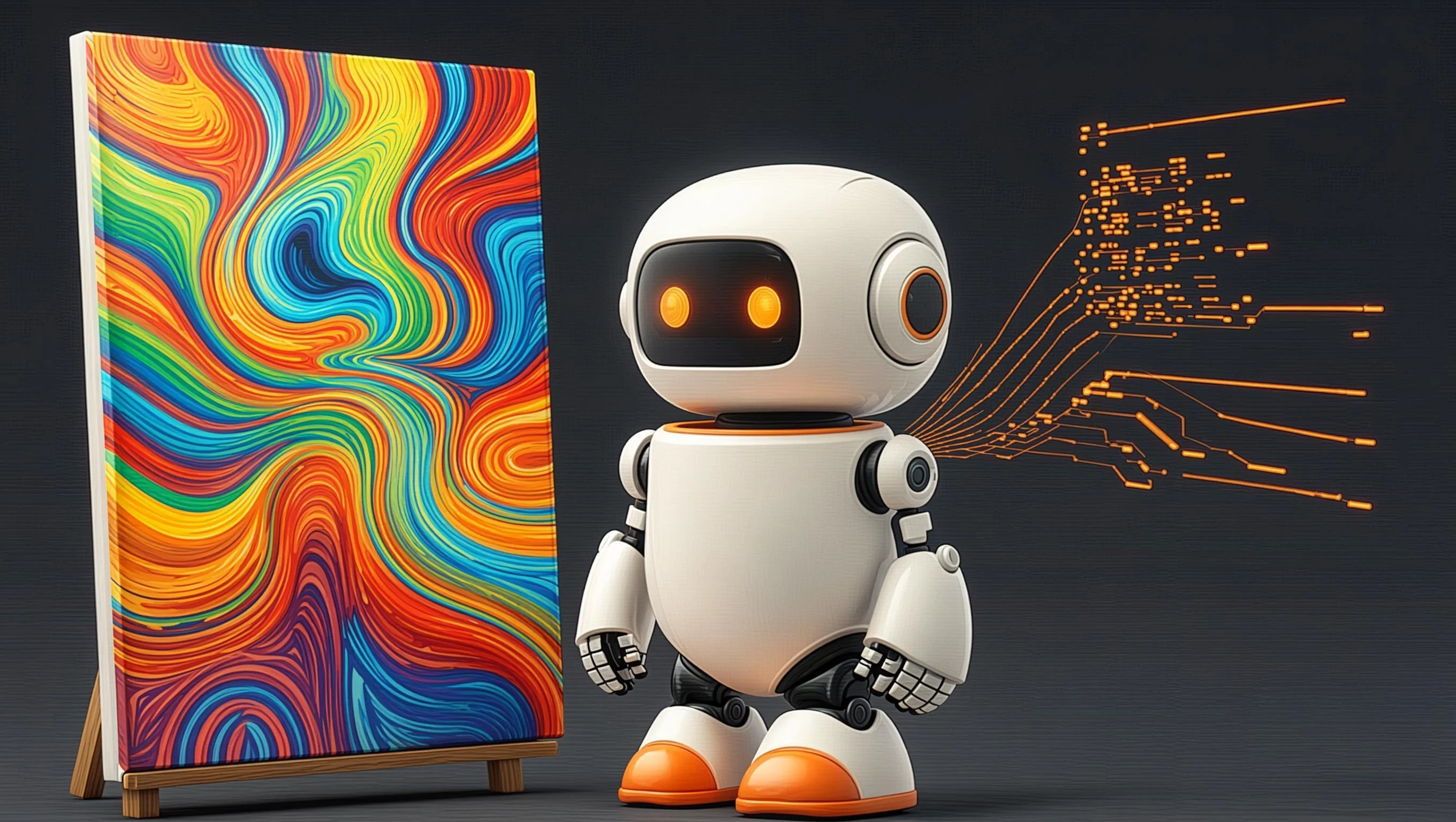
Each word is accompanied by a unique AI-generated image (using SDXL). Visual associations help you remember words faster—a picture is worth a thousand words!
Sample Words
Let’s see how some common Toki Pona words are presented:
Basic Words
| Toki Pona | English | Russian |
|---|---|---|
| toki | speak, language | говорить, язык |
| pona | good, simple, positive | хороший, простой |
| mute | many, a lot | много |
| lili | small, few | маленький, мало |
| suli | big, important | большой, важный |
Example Sentences
English: “Hello, how are you?”
Toki Pona: “toki! sina pona lape anu seme?”
Russian: “Привет! Ты хорошо спишь?”
How It Works
The Technology
The dictionary is built with modern web technologies:
- Static Site Generation - Fast loading, works offline
- Search Index - Instant results as you type
- AI Image Generation - SDXL creates unique visuals
- Responsive Design - Works everywhere
Learning Flow
- Search for a word or browse alphabetically
- View the English and Russian translations
- Listen to pronunciation
- See the AI-generated image for visual memory
- Read example sentences
- Bookmark for review
Word Entries
Each entry includes:
- Toki Pona word
- Part of speech (noun, verb, adjective, particle)
- English definitions
- Russian definitions
- AI-generated image
- Audio pronunciation
- Usage examples
Why Visual Learning Works
The AI-generated images aren’t just decorative—they’re a powerful learning tool.
Memory Through Association
Our brains remember images better than text. When you see “akesi” (lizard), the image of a lizard creates a visual anchor that makes recall easier.
Contextual Understanding
The images show the concept behind each word, not just a literal translation. This helps understand nuances that simple definitions might miss.
Engagement
Colorful, unique images make learning more enjoyable. You’re more likely to study when the experience is visually appealing!
Try this: After learning a new word, close your eyes and picture its image. This active recall strengthens memory!
Getting Started
Visit the Dictionary
No installation needed—just open in your browser!
Learning Path
- Start with basics: Learn the 14 particles first
- Build vocabulary: Focus on the 120 core words
- Practice combinations: See how words form phrases
- Use daily: Try writing simple thoughts in Toki Pona
- Join community: Connect with other learners online
Essential First Words
| Word | Meaning |
|---|---|
| toki | speak |
| pona | good |
| ike | bad |
| open | start |
| pini | end |
| o | hey (vocative) |
Use Cases
1. Learning Toki Pona
The primary use—master this minimalist language with comprehensive resources.
2. English-Russian Comparison
See how the same concept translates across three languages. Interesting for linguists.
3. AI Image Generation
The SDXL-generated images are unique and creative. They’re also just fun to look at!
4. Language Teaching
Teachers can use this as a visual resource for classrooms.
5. Constructed Language Research
Academic interest in how minimal vocabularies can express complex ideas.
Why This Project Matters
This dictionary makes Toki Pona accessible to more people:
- Two languages in one: Serves both English and Russian speakers
- Visual learning: AI images enhance memory
- Audio support: Proper pronunciation guides
- Free and open: Anyone can use it, anywhere
- Community-driven: Built with love for the Toki Pona community
Toki Pona is more than a language—it’s a way of simplifying thoughts and focusing on what matters. This dictionary helps you start that journey!
Conclusion
The Toki Pona English-Russian Dictionary is an invaluable resource for anyone interested in this beautiful minimalist language. Whether you’re a complete beginner or an experienced speaker, the combination of translations, audio, examples, and AI images makes learning more effective and enjoyable.
Start your Toki Pona journey today at toki-pona-english-russian-8bda36.gitlab.io
toki pona!
(Happy speaking!)
Source Code
View and contribute to the project: Toki Pona Dictionary on GitLab
Pona li pona lili!





Discussion
0 commentsJoin the Discussion
Sign in to post comments and join the conversation.
No comments yet. Be the first to share your thoughts!